
Building Physical Literacy in Early Childhood: Why Fundamental Movement Matters
Before children specialize in competitive sports, mastering basic locomotive and manipulative skills forms the bedrock of lifelong athletic competence and confidence.
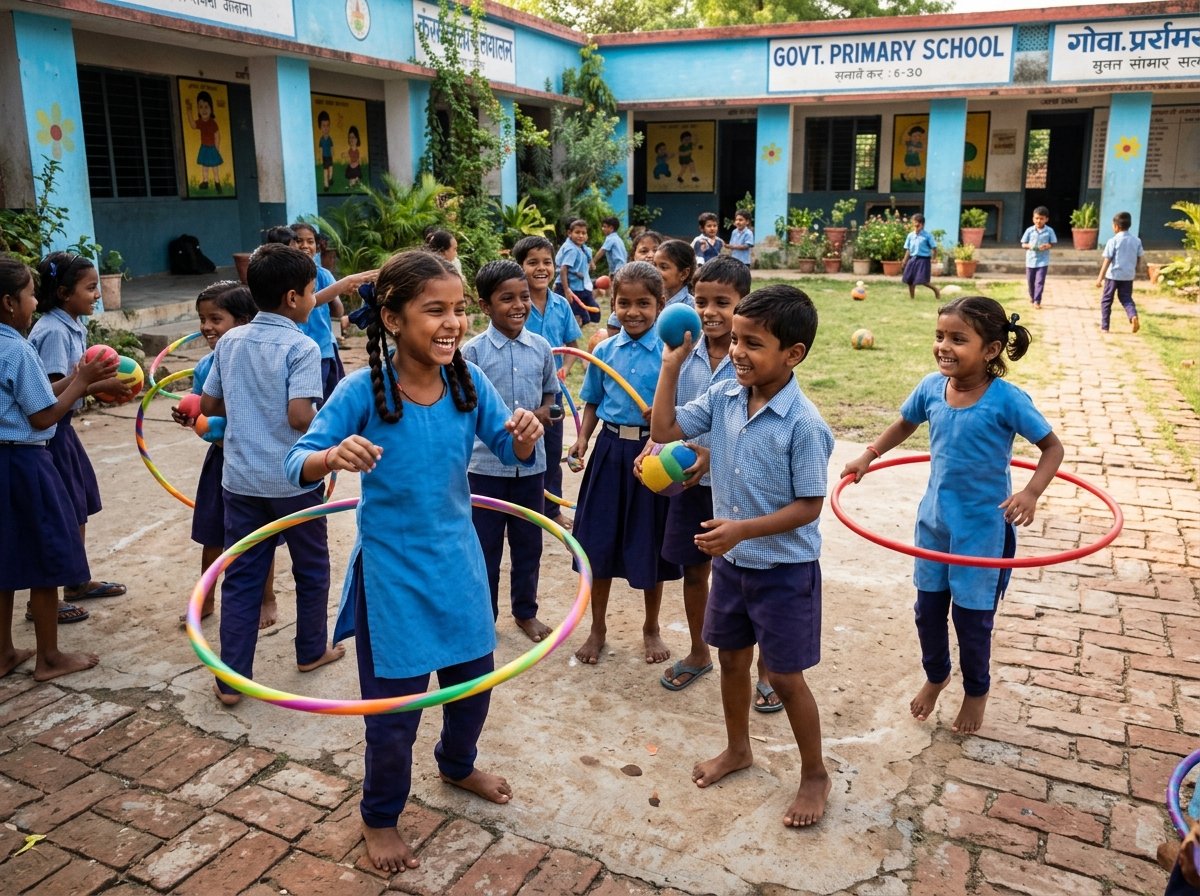
The Foundation of Lifelong Health
Physical literacy is about more than just playing sports or running laps during a 40-minute PE period. It is about developing the fundamental movement skills, confidence, and motivation that allow a child to stay active throughout their life.
Why Early Childhood is the Window of Opportunity
Research across developmental sports science indicates that between ages 4 and 10, the nervous system demonstrates maximum plasticity for neural pathways governing balance, hand-eye coordination, and bilateral coordination. When schools introduce structured, age-appropriate physical education props and drills:
- Locomotor Skills: Running, leaping, skipping, and hopping.
- Object Control Skills: Catching, throwing, striking, and bouncing.
- Stability Skills: Balancing, dodging, bending, and twisting.
Children who master these foundational movements before grade 5 are twice as likely to participate in organized school sports and maintain healthy BMI levels into adolescence.
ActiveSchool's Approach to Progressive PE
Through structured modules tailored for Nursery to Grade 12 (N-12), ActiveSchool provides schools with curricula, equipment kits, and periodic fitness screening that transforms physical activity into an enjoyable daily routine rather than a chore.
Related Insights & Articles
School News
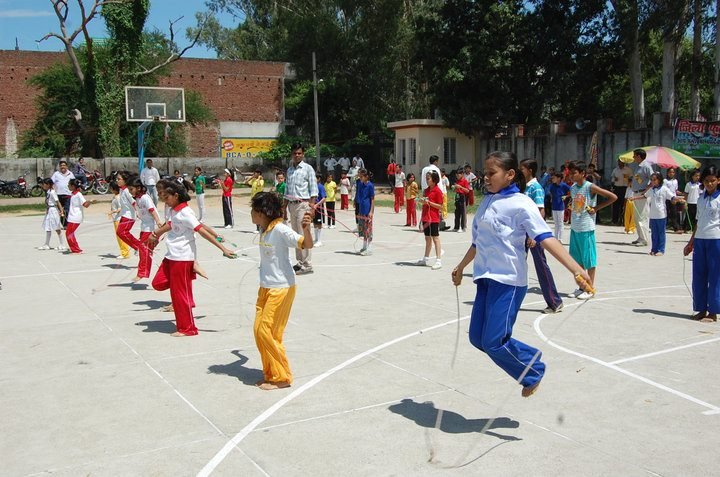
District Bijnor Rope Skipping Championship 2026 to Promote Rope Skipping Among School Students
Sports Science